Permanent Hospitals at Chandanwari and Baltal

Chandanwari & Baltal

Healthcare Initiative

Strengthening Permanent Healthcare Infrastructure Along The Shri Amarnathji Yatra Route

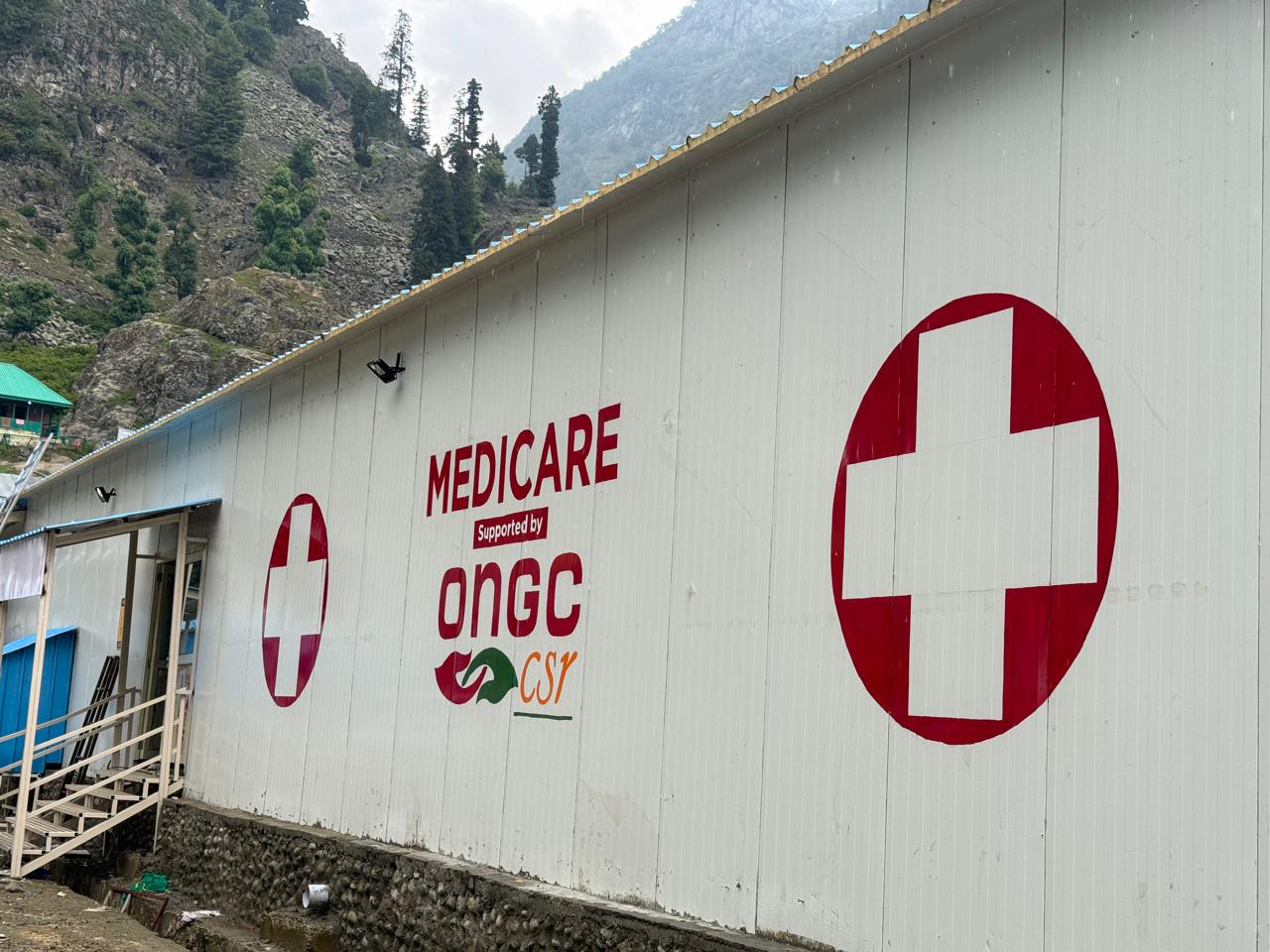
ONGC Foundation is supporting the establishment of permanent hospitals at Chandanwari and Baltal in Jammu & Kashmir to strengthen healthcare access for pilgrims and local communities. The initiative responds to the challenges of remote terrain and limited medical infrastructure along the Shri Amarnathji Yatra route.

Background

Creating dependable medical infrastructure in remote Yatra locations

The annual Shri Amarnathji Yatra attracts a large number of pilgrims every year. In remote stretches of the route, limited access to healthcare creates the need for stronger and more permanent medical infrastructure. The Department of Health and Medical Education, Government of Jammu & Kashmir proposed permanent hospitals at Chandanwari and Baltal with CSR support from ONGC Foundation.

Project Objectives

Building stronger emergency and critical-care capacity in remote Yatra areas

The project focuses on permanent healthcare infrastructure, improved emergency response and stronger long-term preparedness in areas that face seasonal pressure and geographical challenges.

01

Establish Permanent Hospitals

Develop modern medical facilities at Chandanwari and Baltal.

02

Improve Emergency & Critical Care

Strengthen access to timely emergency and critical medical services for pilgrims.

03

Strengthen Remote Healthcare

Build healthcare capacity in difficult and underserved Yatra locations.

04

Reduce Temporary Setup Dependence

Lower recurring logistical and expenditure challenges associated with temporary facilities.

Scope of Work

Developing infrastructure for sustained healthcare delivery

Hospital Infrastructure & Medical Care

  • Construction and development of permanent hospital infrastructure.
  • Emergency, inpatient and critical healthcare facilities.
  • Medical equipment and healthcare support systems.

Healthcare Preparedness & Response

  • Support for healthcare staff and emergency response services during the Yatra.
  • Strengthening long-term healthcare preparedness in the region.
  • Improved continuity and reliability of healthcare services in remote locations.
Impact

Safer pilgrimage, stronger local healthcare

Permanent hospital facilities are expected to strengthen emergency response, improve access to critical care and create healthcare infrastructure with relevance for both pilgrims and local residents.

Improved healthcare access: better availability of medical services for pilgrims during the Shri Amarnathji Yatra.
Better emergency and critical care: stronger response capability in remote regions.
Local community benefit: enhanced healthcare infrastructure for residents in surrounding areas.
Reduced temporary dependence: lower reliance on seasonal and temporary healthcare arrangements.
Safer pilgrimage experience: better medical preparedness along a demanding pilgrimage route.
Beneficiaries

Supporting pilgrims, residents and frontline healthcare teams

The permanent healthcare facilities are intended to benefit people travelling through the Yatra route as well as local communities and personnel working in the region.

01

Shri Amarnathji Yatra Visitors

Pilgrims and tourists requiring healthcare support during the annual Yatra.

02

Local Communities

Residents of Anantnag and Ganderbal districts who benefit from stronger local healthcare infrastructure.

03

Healthcare & Emergency Personnel

Medical staff and emergency response teams working in remote Yatra locations.

SDG Aligned

SDG 1 No Poverty
SDG 1 No Poverty
SDG 3 Good Health and Well-being
SDG 10 Reduced Inequalities
SDG 17 Partnerships for the Goals
Permanent Hospitals at Chandanwari and Baltal

Chandanwari & Baltal

Healthcare Initiative

Strengthening permanent healthcare infrastructure along the Shri Amarnathji Yatra route

ONGC Foundation is supporting the establishment of permanent hospitals at Chandanwari and Baltal in Jammu & Kashmir to strengthen healthcare access for pilgrims and local communities. The initiative responds to the challenges of remote terrain and limited medical infrastructure along the Shri Amarnathji Yatra route.

Background

Creating dependable medical infrastructure in remote Yatra locations

The annual Shri Amarnathji Yatra attracts a large number of pilgrims every year. In remote stretches of the route, limited access to healthcare creates the need for stronger and more permanent medical infrastructure. The Department of Health and Medical Education, Government of Jammu & Kashmir proposed permanent hospitals at Chandanwari and Baltal with CSR support from ONGC Foundation.

Project Objectives

Building stronger emergency and critical-care capacity in remote Yatra areas

The project focuses on permanent healthcare infrastructure, improved emergency response and stronger long-term preparedness in areas that face seasonal pressure and geographical challenges.

01

Establish Permanent Hospitals

Develop modern medical facilities at Chandanwari and Baltal.

02

Improve Emergency & Critical Care

Strengthen access to timely emergency and critical medical services for pilgrims.

03

Strengthen Remote Healthcare

Build healthcare capacity in difficult and underserved Yatra locations.

04

Reduce Temporary Setup Dependence

Lower recurring logistical and expenditure challenges associated with temporary facilities.

Scope of Work

Developing infrastructure for sustained healthcare delivery

Hospital Infrastructure & Medical Care

  • Construction and development of permanent hospital infrastructure.
  • Emergency, inpatient and critical healthcare facilities.
  • Medical equipment and healthcare support systems.

Healthcare Preparedness & Response

  • Support for healthcare staff and emergency response services during the Yatra.
  • Strengthening long-term healthcare preparedness in the region.
  • Improved continuity and reliability of healthcare services in remote locations.
Impact

Safer pilgrimage, stronger local healthcare

Permanent hospital facilities are expected to strengthen emergency response, improve access to critical care and create healthcare infrastructure with relevance for both pilgrims and local residents.

Improved healthcare access: better availability of medical services for pilgrims during the Shri Amarnathji Yatra.
Better emergency and critical care: stronger response capability in remote regions.
Local community benefit: enhanced healthcare infrastructure for residents in surrounding areas.
Reduced temporary dependence: lower reliance on seasonal and temporary healthcare arrangements.
Safer pilgrimage experience: better medical preparedness along a demanding pilgrimage route.
Beneficiaries

Supporting pilgrims, residents and frontline healthcare teams

The permanent healthcare facilities are intended to benefit people travelling through the Yatra route as well as local communities and personnel working in the region.

01

Shri Amarnathji Yatra Visitors

Pilgrims and tourists requiring healthcare support during the annual Yatra.

02

Local Communities

Residents of Anantnag and Ganderbal districts who benefit from stronger local healthcare infrastructure.

03

Healthcare & Emergency Personnel

Medical staff and emergency response teams working in remote Yatra locations.
SDG Aligned

Contributing to the Sustainable Development Goals

By strengthening permanent healthcare infrastructure, improving access in remote areas and supporting collaborative healthcare delivery, the initiative aligns with key Sustainable Development Goals.

SDG 1 No Poverty
SDG 1 No Poverty
SDG 3 Good Health and Well-being
SDG 10 Reduced Inequalities
SDG 17 Partnerships for the Goals

Sui Ka Pha Hospital

Project Char Dham

Sadar Hospital Begusarai