Following the devastating floods of 2013, ONGC Foundation partnered with the Shri Kedarnath Utthan Charitable Trust to support the restoration of essential infrastructure at one of India’s most revered pilgrimage destinations. The initiative is helping improve safety, accessibility and public facilities while preserving Kedarnath’s spiritual and cultural significance.
Kedarnath suffered extensive damage during the 2013 floods, affecting infrastructure, public spaces and facilities used by pilgrims and local communities. The redevelopment initiative was undertaken to support recovery, rebuild essential infrastructure and strengthen long-term resilience in the pilgrimage area.
The redevelopment covers key infrastructure and public amenities needed to improve movement, comfort and resilience across the pilgrimage area.
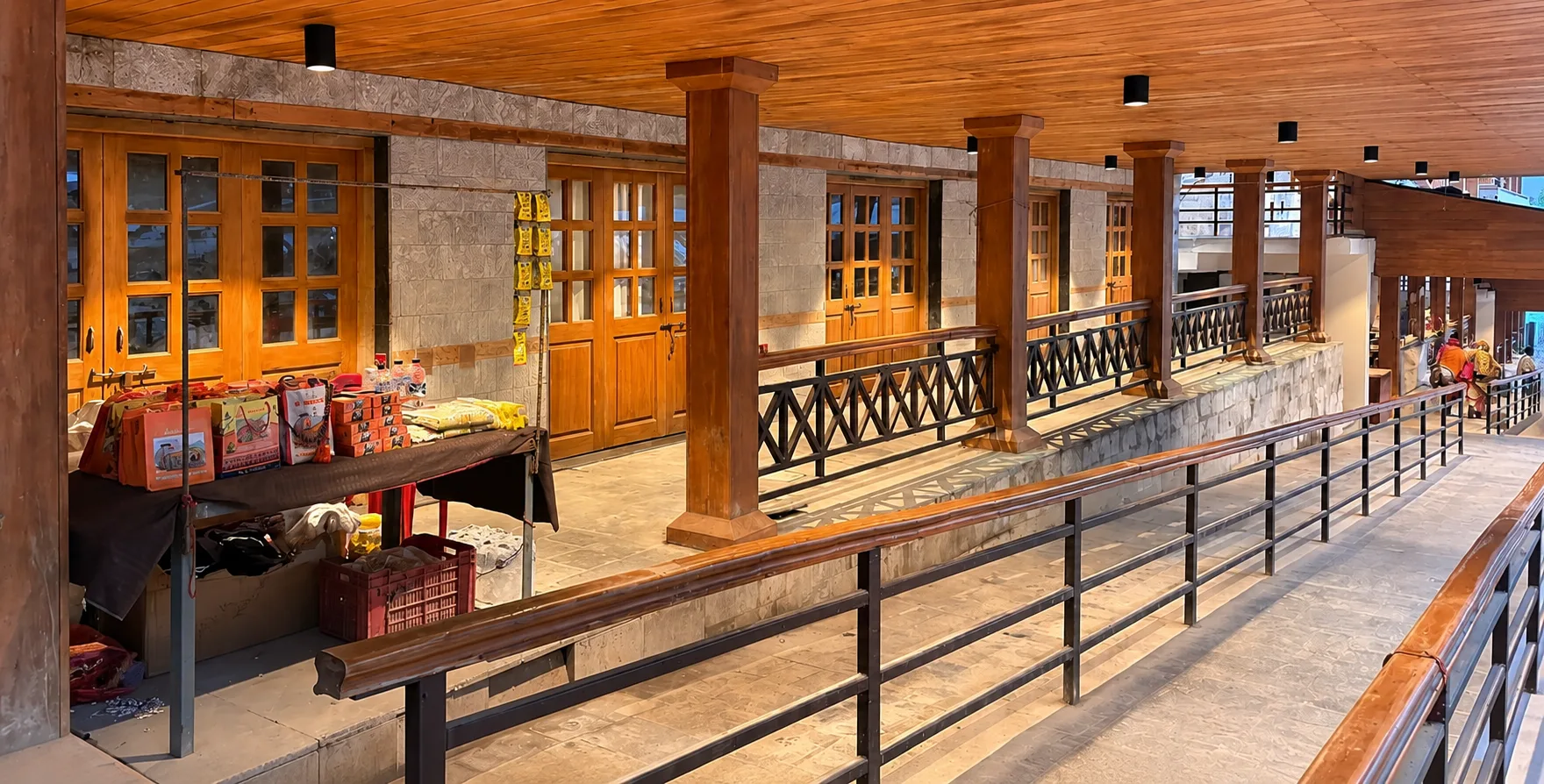
Development of covered waiting and queue-management areas with rain protection for pilgrims.
Construction of retaining walls along Mandakini Asthapath to strengthen safety and resilience.
Redevelopment of pathways and public spaces between Mandakini Edge and Temple Street.
Installation of Water ATMs to provide clean and safe drinking water.
Infrastructure development that respects local culture and the surrounding environment.
The redevelopment supports people who depend on Kedarnath as a pilgrimage destination, a place of livelihood and an important cultural landscape.
The project contributes to disaster recovery, safer pilgrimage infrastructure, improved access to clean drinking water, preservation of spiritual and cultural heritage, and support for sustainable tourism and local development.
 SDG 3
SDG 3
 SDG 6
SDG 6
 SDG 9
SDG 9
 SDG 10
 SDG 11
Following the devastating floods of 2013, ONGC Foundation partnered with the Shri Kedarnath Utthan Charitable Trust to support the restoration of essential infrastructure at one of India’s most revered pilgrimage destinations. The initiative is helping improve safety, accessibility and public facilities while preserving Kedarnath’s spiritual and cultural significance.
Kedarnath suffered extensive damage during the 2013 floods, affecting infrastructure, public spaces and facilities used by pilgrims and local communities. The redevelopment initiative was undertaken to support recovery, rebuild essential infrastructure and strengthen long-term resilience in the pilgrimage area.
The redevelopment covers key infrastructure and public amenities needed to improve movement, comfort and resilience across the pilgrimage area.
Development of covered waiting and queue-management areas with rain protection for pilgrims.
Construction of retaining walls along Mandakini Asthapath to strengthen safety and resilience.
Redevelopment of pathways and public spaces between Mandakini Edge and Temple Street.
Installation of Water ATMs to provide clean and safe drinking water.
Infrastructure development that respects local culture and the surrounding environment.
The redevelopment supports people who depend on Kedarnath as a pilgrimage destination, a place of livelihood and an important cultural landscape.
The project contributes to disaster recovery, safer pilgrimage infrastructure, improved access to clean drinking water, preservation of spiritual and cultural heritage, and support for sustainable tourism and local development.
Through safer public infrastructure, clean drinking water, improved accessibility, heritage-sensitive redevelopment and stronger community resilience, the Kedarnath initiative contributes to key Sustainable Development Goals.
SDG 3
SDG 6
SDG 9
SDG 10
SDG 11